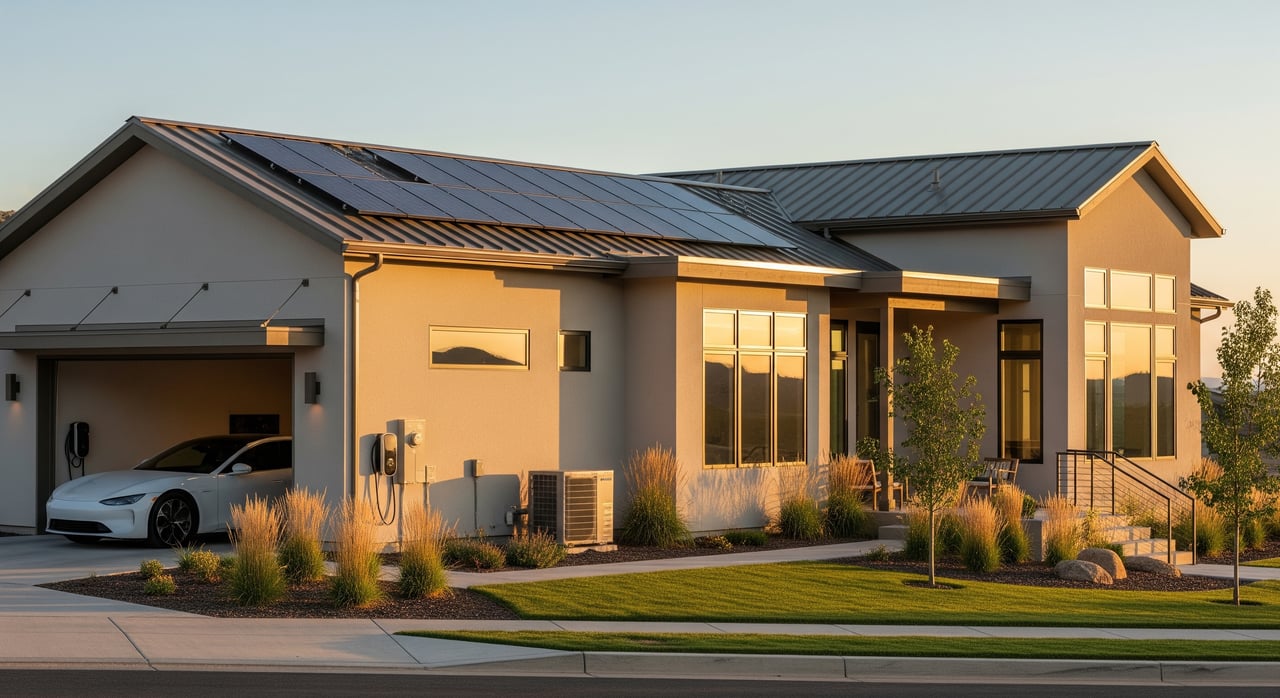
Looking to cut your utility bills and boost your home’s value in Parker? With cold, sunny winters and warm, dry summers, Parker’s climate rewards the right energy upgrades. Whether you plan to sell soon or stay and enjoy, smart improvements can deliver comfort, lower costs, and stronger buyer appeal. In this guide, you’ll see which upgrades pay off locally, how much they typically cost, and where to find incentives and permits. Let’s dive in.
Why Parker’s climate matters
Parker sits at higher elevation with a semi-arid climate. You get cold winters, warm summers, low humidity, and lots of sunshine. That means heating efficiency drives most of your savings, while cooling upgrades help but usually pay back a bit slower.
The strong solar resource also makes rooftop solar attractive compared to many U.S. markets. If your roof has good sun exposure and minimal shading, solar can offset a large share of your electric use.
Start with an energy checkup
Before you spend, get a clear picture of your home’s energy profile. Gather 12 to 24 months of bills to see your seasonal use. Then consider a home energy audit that includes blower-door testing and thermal imaging to pinpoint leaks and insulation gaps. You can find practical guidance in the U.S. Department of Energy’s Energy Saver resources for homeowners on efficiency and weatherization.
Pre-upgrade checklist:
- Benchmark your last 12–24 months of electric and gas bills.
- Schedule an energy assessment with blower-door testing.
- Inspect roof age and condition before adding solar.
- Get at least two contractor quotes with scope, savings estimates, warranties, and permit responsibilities.
- Confirm any rebate or tax credit requirements before you start.
High-impact upgrades in Parker
Air sealing and insulation
Air sealing paired with attic and wall insulation is often the fastest payback in Parker. Sealing gaps and boosting attic insulation reduces winter heat loss and summer heat gain, which improves comfort and trims bills. Older homes tend to benefit most, but even newer homes can have leaks around penetrations and rim joists. Look for contractors who test before and after so you can see the results.
- Typical cost: $1,000–$10,000+ depending on scope
- Typical payback: 2–10 years
Duct sealing and distribution
If you have a forced-air system, leaky ducts can waste 10–30% of heated or cooled air, especially when ducts run through garages or attics. Sealing, insulating, and balancing ducts improves system efficiency and room-to-room comfort. This is a cost-effective add-on when you upgrade HVAC equipment.
- Typical cost: $300–$3,000
- Typical payback: 1–6 years
Cold-climate heat pumps
Modern cold-climate air-source heat pumps deliver efficient heating even at low temperatures. In Parker, they can significantly reduce winter bills if you are replacing aging gas furnaces or older heat pumps, and they add efficient cooling for summer. Evaluate whole-home loads and your existing ductwork to size the system correctly. Cold-climate certified models are recommended for Colorado conditions.
- Typical cost: $6,000–$25,000+ depending on system type
- Typical payback: 5–15 years before incentives
Heat pump water heaters (HPWH)
Heat pump water heaters move heat into the tank rather than generating it, making them two to four times more efficient than standard electric models. They can also outperform gas in many situations, depending on your utility rates. If you have a basement or garage with enough air volume, a HPWH can also help dehumidify the space. See ENERGY STAR guidance for performance and sizing.
- Typical cost: $1,200–$4,000 installed
- Typical payback: 2–8 years
Windows and targeted insulation
Windows are valuable for comfort and resale, but full-home window replacements usually take longer to pay back than attic work or HVAC upgrades. In many cases, you will save more by focusing on air sealing and attic insulation first. If certain rooms are drafty or overheat, consider selective window replacement or glazing solutions to solve specific problems.
- Typical cost: $500–$1,200 per window; $2,000–$10,000+ whole-home
- Typical payback: 10–30+ years from energy savings alone
LED lighting and smart controls
LEDs and smart thermostats offer quick wins. LEDs cut lighting costs with minimal investment. Smart thermostats optimize schedules and give you usage data to fine-tune comfort and savings. Many utilities also rebate these items, lowering your upfront cost.
- Typical cost: $5–$200 per device
- Typical payback: Months to 3 years
Solar photovoltaic (PV)
Parker’s abundant sunshine and rising retail electricity rates make solar PV a strong candidate. A well-sited array can deliver meaningful savings, especially with federal tax credits and favorable interconnection terms. Check your roof’s age, shading, and orientation, and have a qualified installer model your production. Tools like PVWatts can help you estimate output for a Parker address.
- Typical cost: $15,000–$35,000+ before tax credits for 4–10 kW
- Typical payback: 6–15 years depending on incentives and rates
Battery storage
Batteries add resilience and help you use more of your solar production at home, which can improve your economics under certain rate plans. The value depends on incentives, time-of-use rates, and how much you prioritize backup power. Many Parker homeowners weigh batteries for peace of mind more than pure payback.
- Typical cost: $8,000–$20,000+
- Typical payback: Often 10+ years unless incentives or rates improve the case
Level 2 EV charger
A 240V Level 2 charger adds daily convenience and is increasingly a must-have feature for buyers with EVs. It also pairs naturally with rooftop solar and off-peak rates if your utility offers them. Check panel capacity and future-proof with conduit planning if you expect multiple EVs.
- Typical cost: $500–$2,500 installed
- Typical payback: Convenience and marketability rather than direct energy ROI
Incentives, permits, and financing
Rebates and credits change often, so verify current programs before you start. A great first stop is the Database of State Incentives for Renewables & Efficiency, which lists statewide and utility programs. The Colorado Energy Office posts statewide initiatives and weatherization assistance. For federal tax credits on efficiency and clean energy, review current IRS guidance and consult a tax professional as needed.
- Explore statewide and local listings on the DSIRE incentives database.
- Review homeowner guidance at the U.S. Department of Energy’s Energy Saver.
- Compare product guidance from ENERGY STAR for heat pump water heaters.
- Estimate solar output with NREL’s PVWatts.
- Check statewide programs at the Colorado Energy Office.
- Verify current credits on the IRS energy credits pages.
Permits and inspections: Roof-mounted solar, electrical work, and HVAC replacements often require permits. Confirm requirements with the Town of Parker Building Department or Douglas County, depending on your property’s jurisdiction. Solar also requires interconnection approval from your utility.
Financing options to compare:
- Cash or savings
- Home equity loan or HELOC
- Installer financing
- PACE financing where available
- Utility on-bill programs if offered
Sell smarter with upgrades
Energy upgrades can increase buyer interest and reduce days on market when you document them well. When preparing to list, gather a single folder for buyers to review. Clear paperwork helps buyers see the value and reduces uncertainty.
What to include:
- Receipts and contractor summaries for each upgrade
- Copies of any rebates, tax credit forms, and all warranties
- Before-and-after audit or blower-door results
- Recent utility bills showing lower consumption after improvements
- Solar ownership status, interconnection paperwork, and production history
Questions for buyers during showings
If you are touring homes in Parker, add energy to your checklist. Ask for documentation and look for recent, high-impact work.
Key questions:
- When were the heating and cooling systems last replaced, and are they cold-climate heat pumps?
- Has the attic been air sealed and insulated recently? Any blower-door reports?
- Is solar PV owned or leased? Can you see production and interconnection documents?
- Are there smart thermostats, a heat pump water heater, or a Level 2 EV charger installed?
- Has the electrical panel been upgraded to support EVs or future electrification?
Timeline and next steps
- Start with an audit and energy bill review to target the biggest wins.
- Tackle quick-payback items first, like air sealing, attic insulation, duct sealing, LEDs, and smart thermostats.
- Plan larger projects next, such as cold-climate heat pumps, heat pump water heaters, and selective window work.
- For solar, confirm roof condition and interconnection steps, then model output and incentives.
- Document everything so you can showcase the upgrades if you decide to sell.
If you are planning a move or want to make the most of upgrades before listing, connect with a local advisor who understands Parker’s buyers and what features drive value. For a tailored plan and polished listing strategy, reach out to Lana Kuznetsova to schedule a free consultation.
FAQs
What energy upgrade pays off fastest in Parker homes?
- Air sealing and attic insulation, duct sealing, and LEDs or smart thermostats typically deliver the quickest paybacks in Parker’s climate.
Are cold-climate heat pumps reliable in Parker winters?
- Yes, modern cold-climate air-source heat pumps are designed for low temperatures and can heat efficiently when sized and installed correctly.
Is rooftop solar a good investment in Parker, Colorado?
- Parker’s strong solar resource makes PV attractive, with paybacks often in the 6–15 year range depending on incentives, rates, and your site conditions.
Should I replace all my windows for energy savings?
- Not usually; whole-home window replacements often have long energy paybacks, so prioritize air sealing and attic insulation first and replace problem windows selectively.
How do I find current rebates and tax credits for Colorado homes?
- Check the DSIRE database for incentives, the Colorado Energy Office for statewide programs, and the IRS pages for current federal tax credits; confirm details before you start.
Do I need permits for solar or HVAC work in Parker?
- Most solar, electrical, and HVAC replacements require permits; verify requirements with the Town of Parker or Douglas County building departments and use licensed contractors.