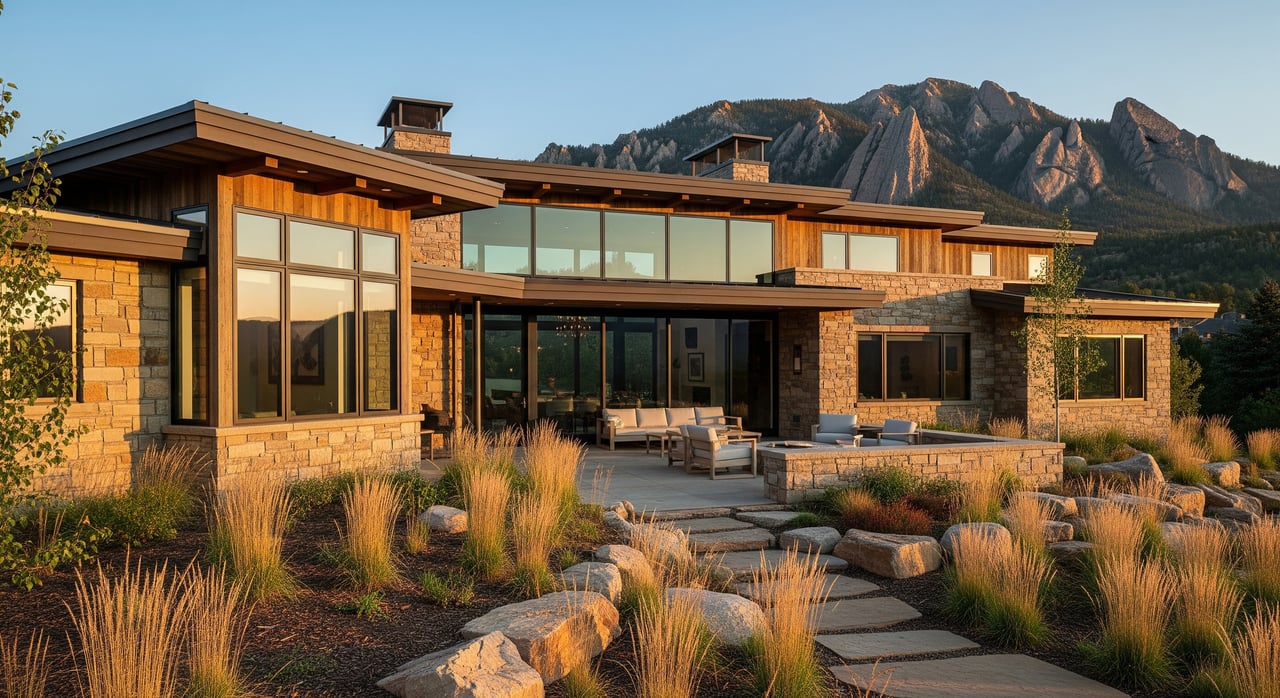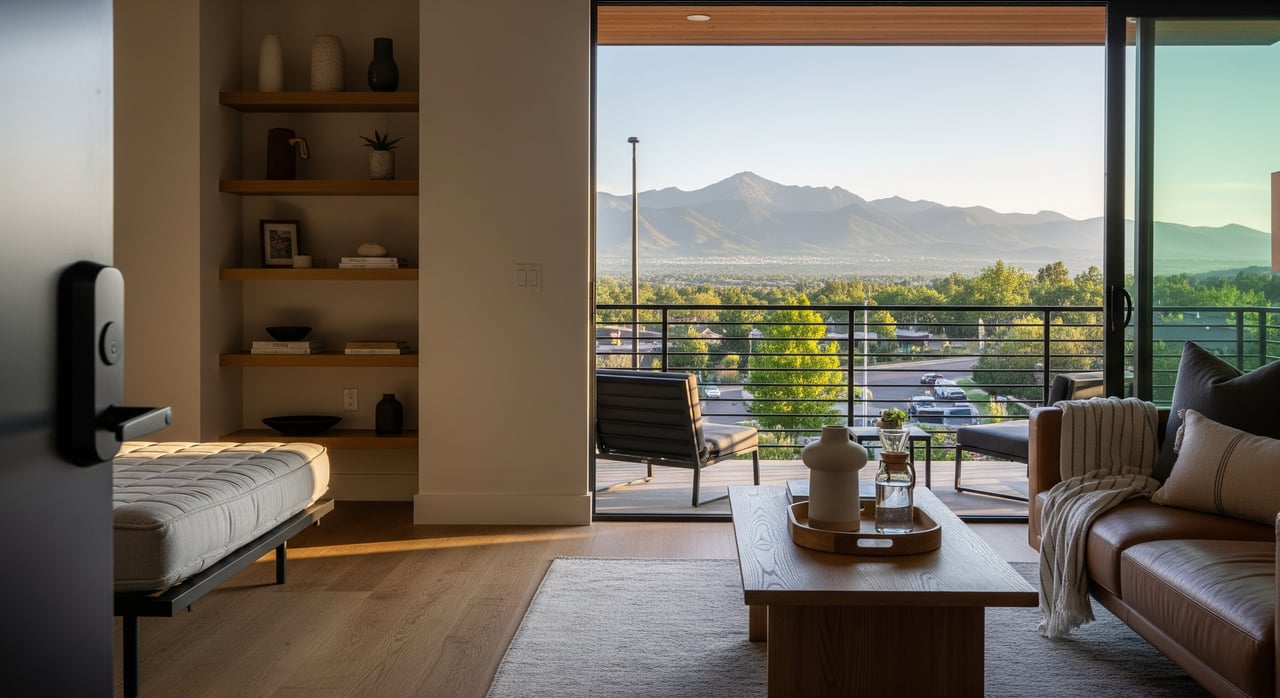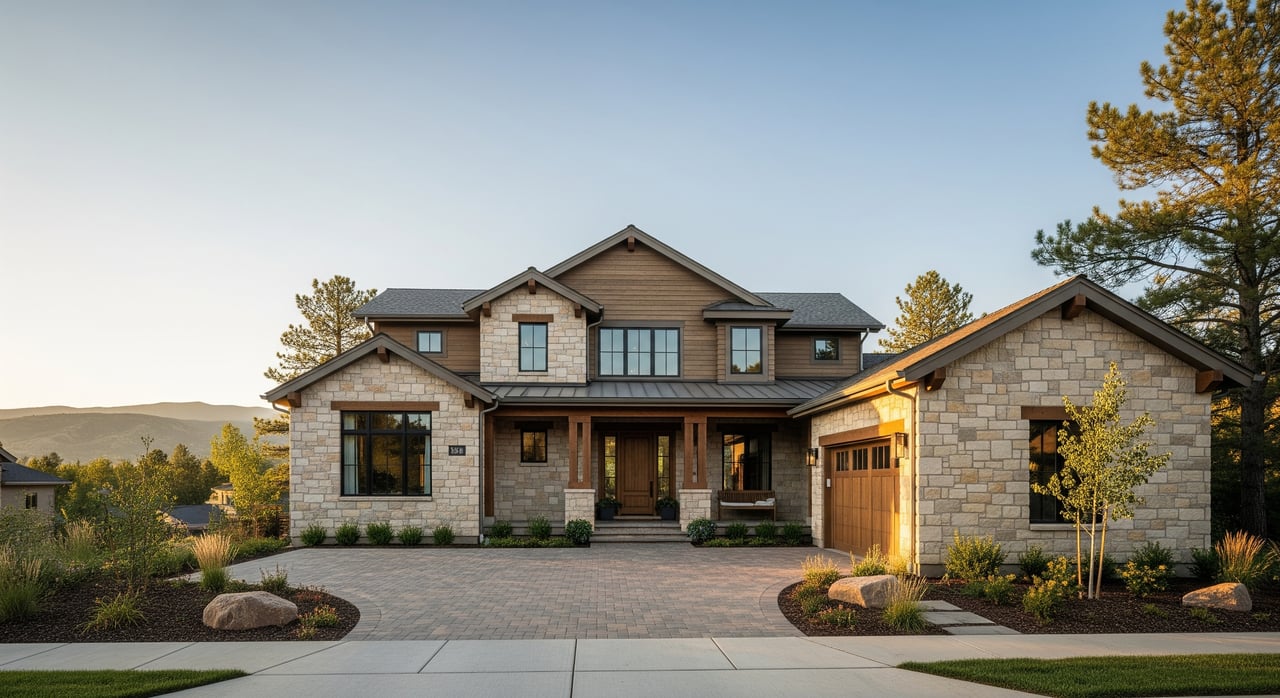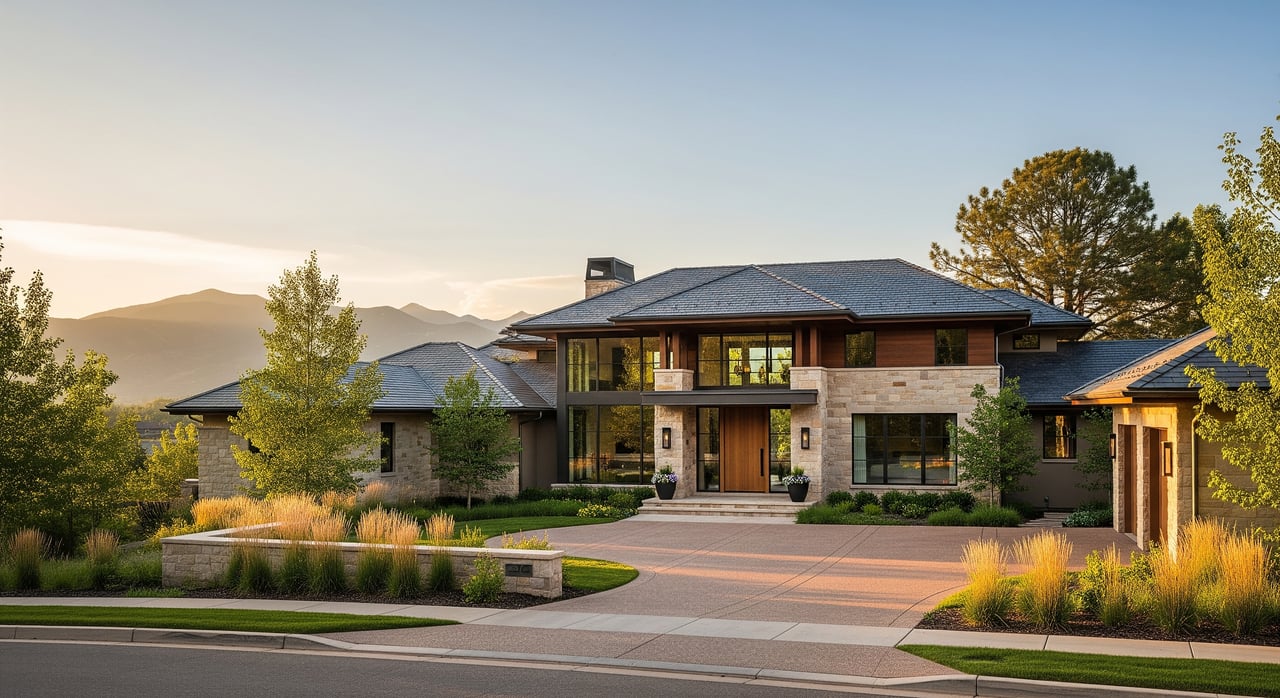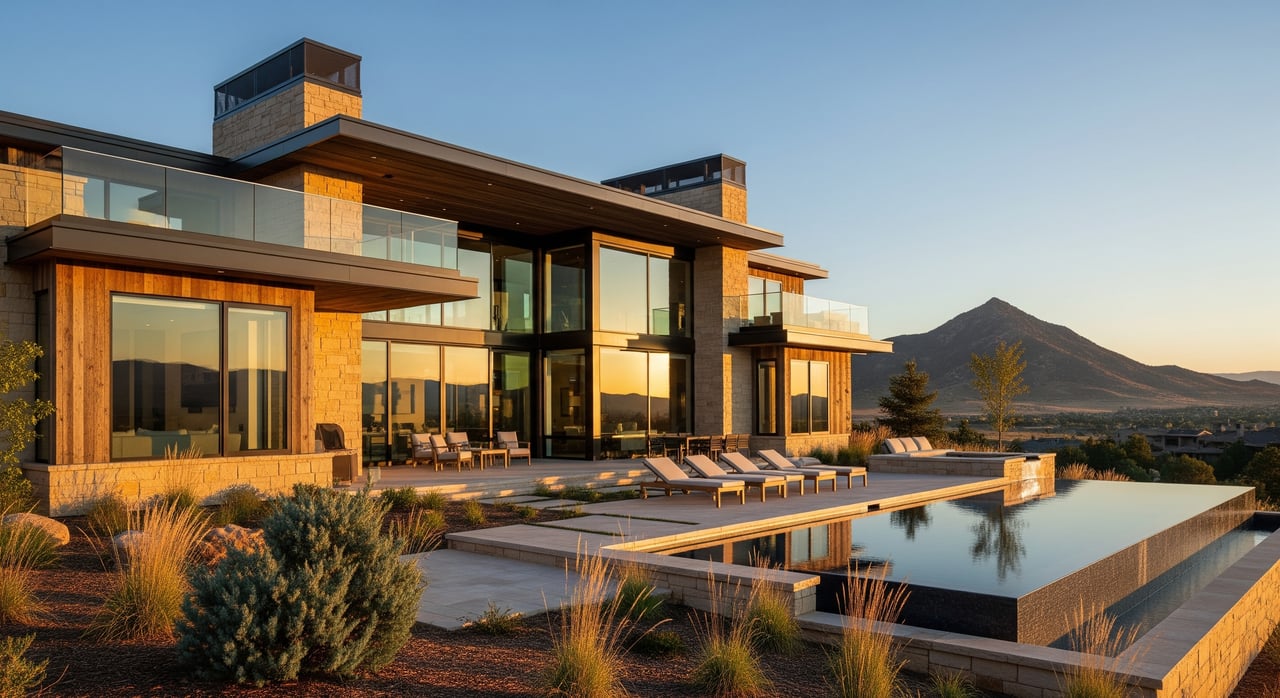
Thinking about a new-build in Castle Rock but not sure where to start? You are not alone. With fresh communities expanding across Douglas County and evolving features inside the homes, the choices can feel overwhelming. In this guide, you will learn what is shaping new construction right now, how local rules and conditions affect your options, and what to watch before you sign a contract. Let’s dive in.
Castle Rock market snapshot
Castle Rock sits in a fast-growing corridor between Denver and Colorado Springs. Builders focus on master-planned communities and select infill sites that offer trails, parks, and access to regional roads. As commute patterns and I‑25 improvements take shape, locations near major routes tend to attract more builder activity.
Mortgage rate swings and construction costs have influenced pricing and incentives since 2020. Resale inventory tightened during the pandemic, then eased as rates rose in 2022 through 2024. If you are comparing price, days on market, or absorption, current local market reports are the best way to gauge timing and competition in Douglas County and the Town of Castle Rock.
Where new homes are rising
You will see a mix of larger master-planned neighborhoods and smaller subdivision phases. Most new homes are single-family detached, with a growing share of active adult and patio-home options for low-maintenance living. Some townhome and higher-density for-sale product appears in or near downtown and other zoned pockets, depending on local approvals. Builders also add neighborhood retail and mixed-use space as communities scale.
Floor plan trends buyers want
Today’s buyers value flexible, functional layouts that support daily life and long-term plans.
- Flex spaces and offices. Dedicated offices or dens that convert to a gym or study area are common asks.
- Open but zoned living. Open kitchens still rule, with better “zoning” like mudrooms and breakfast nooks that keep life organized.
- Main-level suites. First-floor primary suites and universal design elements appeal to aging-in-place and multigenerational needs.
- Multigenerational features. Options can include in-law suites, finished basements, or separate entries in certain product lines.
- Outdoor living. Covered patios, larger sliders, and indoor-outdoor flow fit the Colorado lifestyle.
- Storage and garage space. Three-car garages or added storage are popular for outdoor gear and hobbies.
Energy, tech, and EV readiness
Builders are responding to energy codes and buyer demand for lower operating costs.
- Heat pumps. Many communities offer heat pump HVAC and heat pump water heaters as standard or as part of an energy package.
- Tight envelopes. Better insulation and high-performance windows improve comfort and efficiency.
- Solar and solar‑ready. Some builders include rooftop solar or pre-wire for future solar, depending on local programs.
- Smart home features. Expect smart thermostats, video doorbells, programmable lighting, and optional automation bundles.
- EV charging. Pre-wiring for Level 2 chargers or installed chargers in garages is increasingly common.
Ask the sales team for modeled energy scores or estimated utility bills if available. These details help you compare homes across communities.
Water-wise landscaping basics
Castle Rock and Douglas County sit in a semi-arid climate. Water planning and conservation shape how new landscapes look and function.
- Xeriscaping. Drought-tolerant plant palettes, smaller turf areas, and drip irrigation help reduce water use.
- Efficient irrigation. Smart controllers and zone-specific drip systems cut waste.
- Community standards. New subdivisions often include water-efficient landscape requirements. Your HOA guidelines and local water provider rules may affect plant choices and irrigation timing, especially during drought.
If outdoor living is a priority, review any landscape standards and likely watering restrictions so your yard plans match the rules.
Wildfire resilience in WUI areas
Parts of Douglas County fall within the Wildland-Urban Interface. That means wildfire mitigation is part of smart homeownership.
- Defensible space. Many communities encourage or require spacing and plant selection that reduce fire risk around structures.
- Ember-resistant construction. Builders may use materials and details that resist ember ignition.
- Insurance check. Insurance availability and premiums can vary by micro-location. It is wise to check coverage options and costs early in your search.
If you are considering a hillside or edge-of-community lot, ask for maps and guidance on mitigation and maintenance.
Transportation and connectivity
Regional projects on I‑25 and local interchange work influence commute times and where builders focus. Castle Rock has limited fixed-rail transit. Many commuters use park-and-ride or express bus options into the Denver metro. If commute is critical, test your route during peak times and confirm future road plans that may improve connectivity.
Pricing, incentives, and build timelines
Construction costs rose after 2020 due to material spikes and labor shortages, then many inputs stabilized by 2023 and 2024. Labor availability still affects schedules, and option lead times can extend delivery.
Builders balance price with buyer incentives when rates are high. You may see seller credits, rate buydowns, closing cost help, or design upgrades. Compare incentives against the net price and your long-term costs.
Appraisals can be a hurdle when new homes price above nearby resales. Some builders offer temporary incentives to align the purchase price with appraised value or help with appraisal gaps. Understanding this risk up front can save stress later.
Financing your new build
Your financing route depends on whether you choose a to-be-built home or a completed spec home.
- Construction-to-permanent loans. Common for customizable builds. You will want to understand rate lock options, draw schedules, and contingency protections.
- Traditional mortgages for spec homes. These are closer to resale financing, with timing driven by completion and appraisal.
- Builder-affiliated lenders. Builders sometimes pair incentives with preferred lenders. Compare total costs and terms, not just the headline rate.
Ask about lock periods, extension fees, and whether your contract includes protections for delays outside your control.
What to review before you sign
A little diligence goes a long way. Request these items early so you can compare communities fairly.
- Utilities and fees. Review system development charges, water and sewer tap fees, and monthly HOA dues.
- CC&Rs and design rules. HOA covenants may limit exterior finishes, fencing, or rental rules. These can affect future resale.
- Site and safety. Ask for the plat and any floodplain, drainage, wildfire zone, slope, or geotechnical reports that apply to your lot.
- Schools and taxes. Verify the school district boundaries and local property tax rates for the specific parcel or phase.
- Warranty details. Most new homes include 1–2–10 style structure warranties. Get the coverage and claim process in writing.
If you own nearby, what it means
New-home phases can influence resale pricing for older homes nearby, especially if the product type and price band overlap. You can still compete and win with the right plan.
- Lean into strengths. Highlight lot size, mature landscaping, privacy, and proximity to established amenities.
- Update selectively. Consider modest refreshes that align with current finishes, such as durable flooring or modern lighting.
- Plan timing. Large new phases may temporarily boost inventory. Adjust pricing and launch strategy to stand out.
A data-informed listing plan that addresses new-home competition can protect your value and speed your sale.
How to shop new builds like a pro
Use this simple approach to stay in control of the process.
- Set your total budget, including options, landscaping, window coverings, appliances, and likely closing costs.
- Compare energy features, estimated operating costs, and any rebates that may apply to your selections.
- Verify timelines for permitting, inspections, and materials so your move plan is realistic.
- Clarify appraisal and financing terms, including rate locks and policies for delays.
- Review HOA and water-use rules so your yard and lifestyle plans fit the community.
- Document warranty coverage and the service process after closing.
How we help you win
When you build or buy new, you want a steady hand on the details. Our approach is systems-driven and calm, so you can focus on the home, not the hurdles. We compare communities side by side, model the true cost of options, pressure-test incentives, and coordinate timelines from contract to closing. For sellers near new developments, we craft a listing plan that counters builder competition with premium marketing and negotiation discipline.
Ready to explore new construction or position your current home to compete? Connect with Lana Kuznetsova for a free, local strategy session that puts your goals first.
FAQs
What should I know about Castle Rock new-build pricing?
- Builders adjust base prices and offer incentives based on demand, interest rates, and absorption goals. Compare the full package, not just headline discounts.
How do energy features in new homes reduce costs?
- Heat pumps, improved insulation, high-performance windows, and smart controls can lower monthly bills. Ask for modeled energy scores or estimated utilities to compare.
What is xeriscaping and why does it matter in Douglas County?
- Xeriscaping uses drought-tolerant plants, limited turf, and drip irrigation to reduce water use. It aligns with local conservation goals and many HOA standards.
How does wildfire risk affect home choice in the area?
- Some neighborhoods fall in the Wildland-Urban Interface, where defensible space and ember-resistant materials are encouraged or required. Insurance availability and cost can vary by location.
What financing works for a to-be-built home versus a spec home?
- To-be-built homes often use construction-to-permanent loans with rate lock considerations, while completed spec homes typically use traditional mortgages with standard appraisals.
Which documents should I review before committing to a lot?
- Request the plat, floodplain and drainage info, wildfire maps, geotechnical reports if applicable, CC&Rs, HOA rules, fee schedules, and detailed warranty terms.